Kinshasa, DRC · Pilot complete, July 2026

Shining light in forgotten places and sowing hope in hearts.

We build power, water and income into orphanages across Africa, so a home can carry itself instead of waiting on the next donation.

$19K Total investment
5 Builds on site
120m Perimeter wall
1 Home carrying itself
July 2026
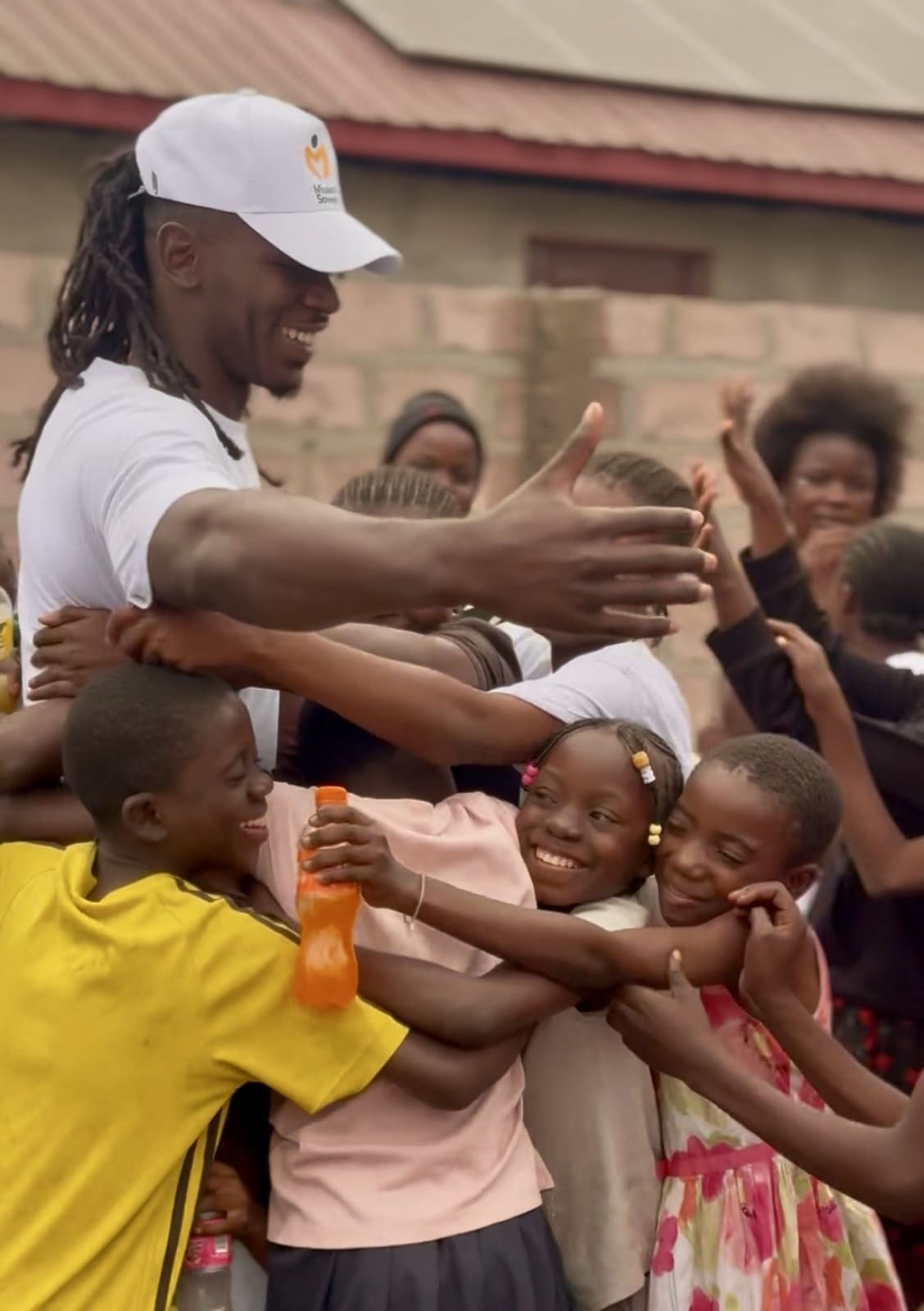
Divin laughing with his arms around a group of children at Orphelinat Ceprokin, the children hugging him and reaching in
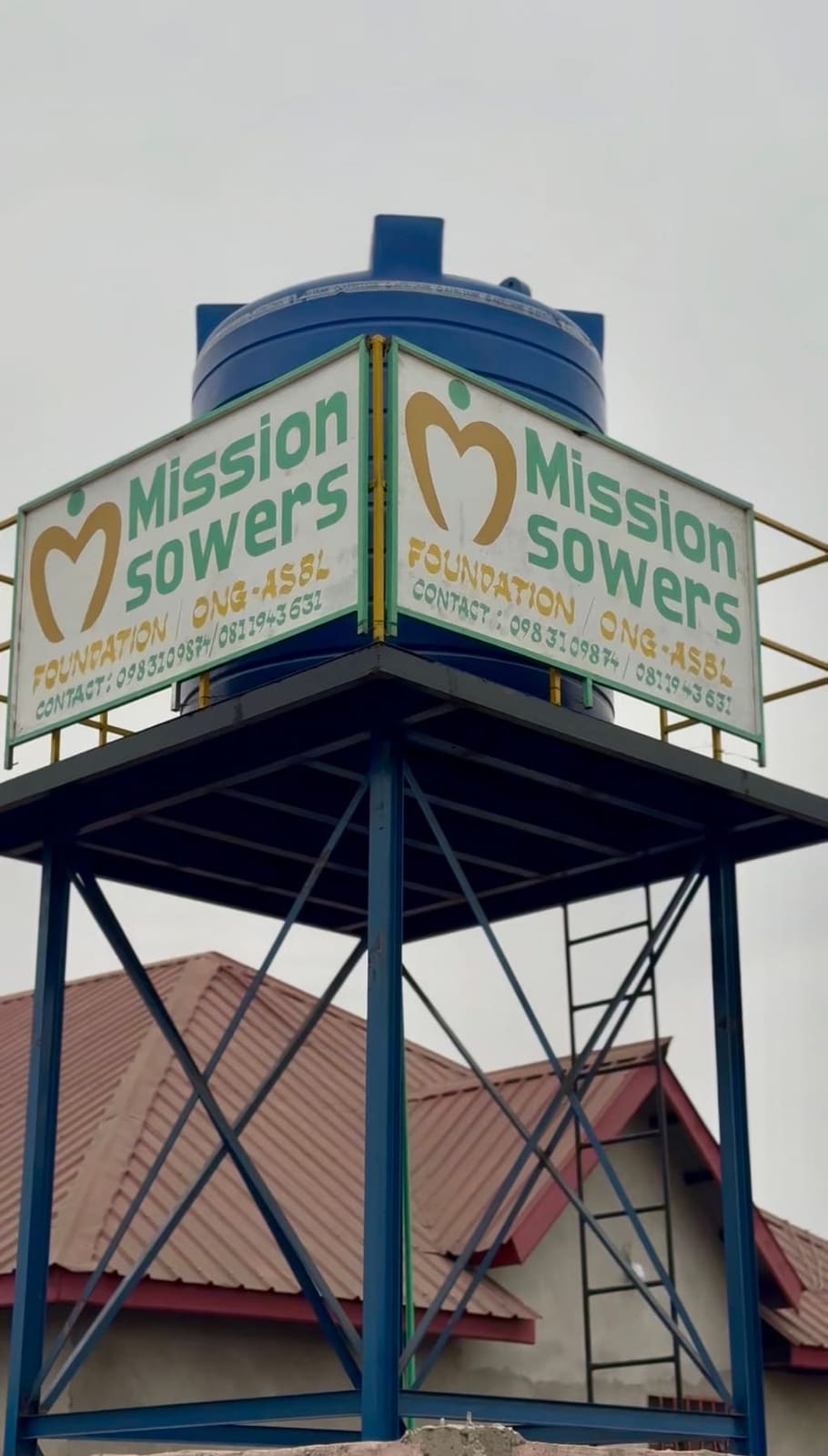
The new water tower at Ceprokin carrying two painted Mission Sowers signboards
Our vision

Shining light in forgotten places and sowing hope in hearts.

Our mission

We build lasting infrastructure and income that transform orphanages across Africa from dependency on aid to self-sufficiency.

Our model

We help while preserving the dignity of the receiver and preventing dependency.

We do not run these homes and we do not replace the people already caring for the children in them. We build the things that let a home stand on its own, we hand them over to the people who live there, and then we stay close enough to make sure they keep working.

July 2026 · Orphelinat Ceprokin, Kinshasa

What we built at Ceprokin.

In July 2026 we completed our first full pilot at Orphelinat Ceprokin in Kinshasa, Democratic Republic of the Congo. Not a delivery of supplies. Power, water, income and a wall that keeps it all safe. Everything below is on the property today.

$19,000 The total cost of everything on this page
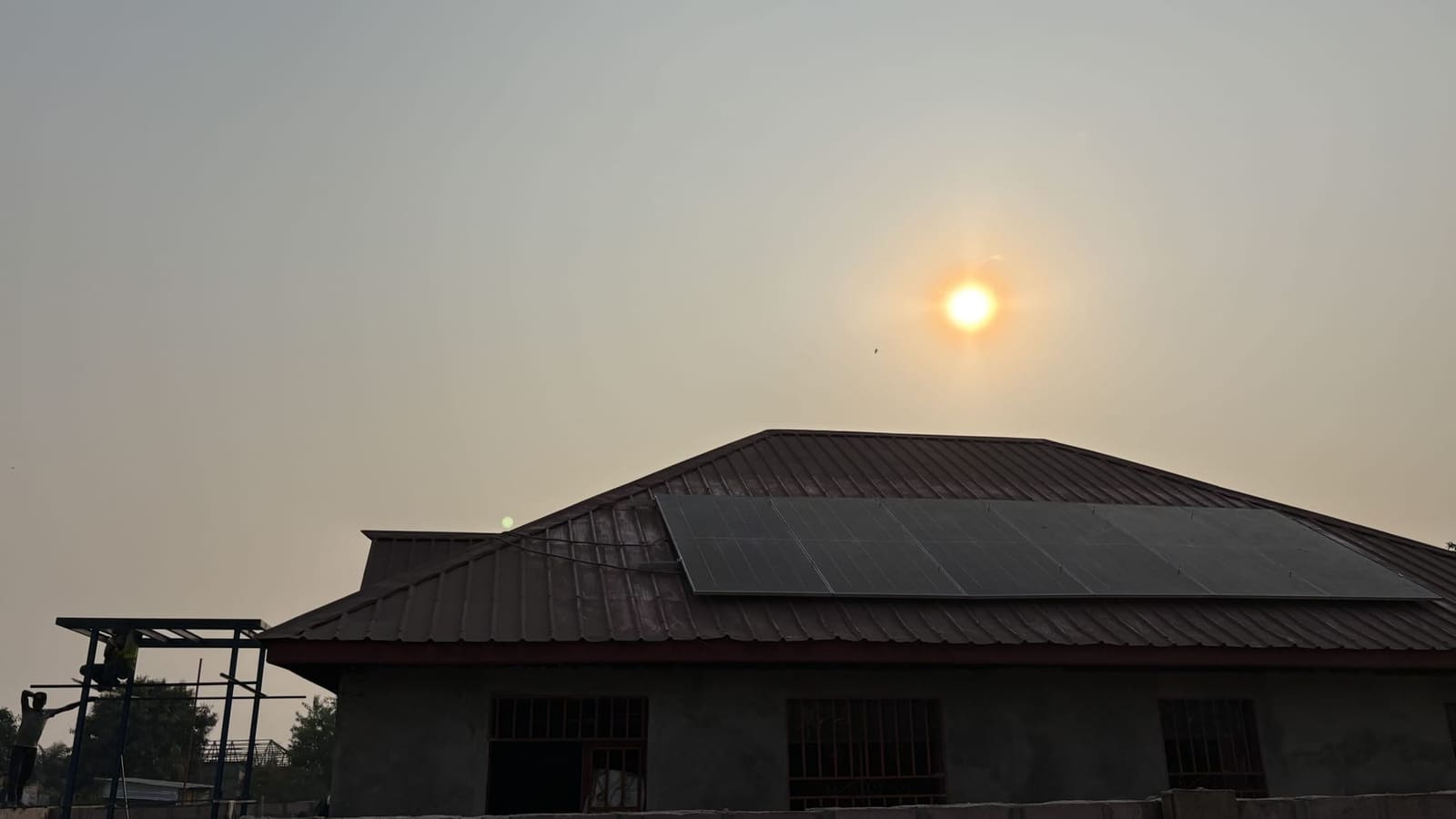
The finished array of solar panels across the roof of the home, silhouetted against the low sun
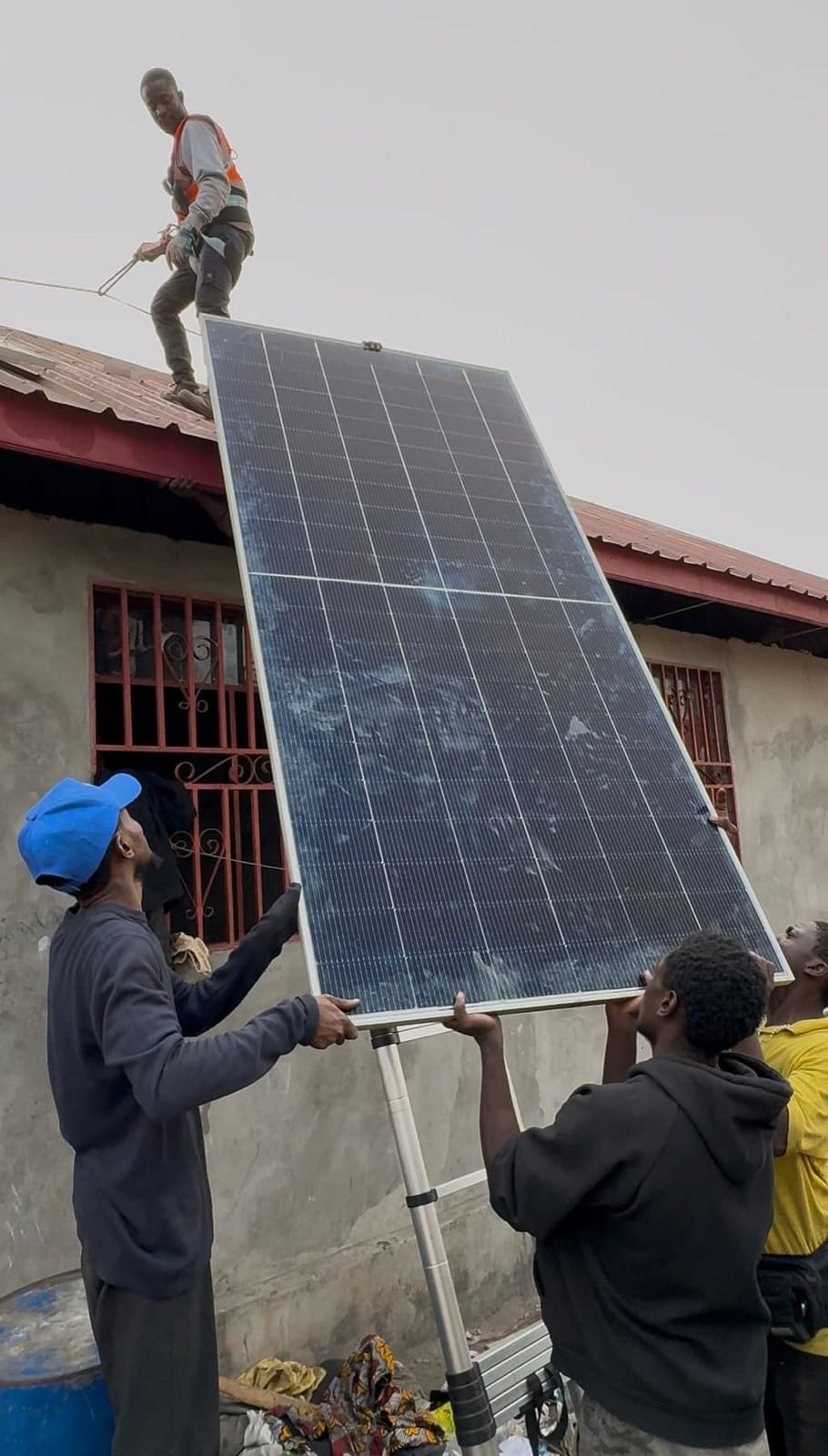
Four people lift a full solar panel up to a man standing on the roofline
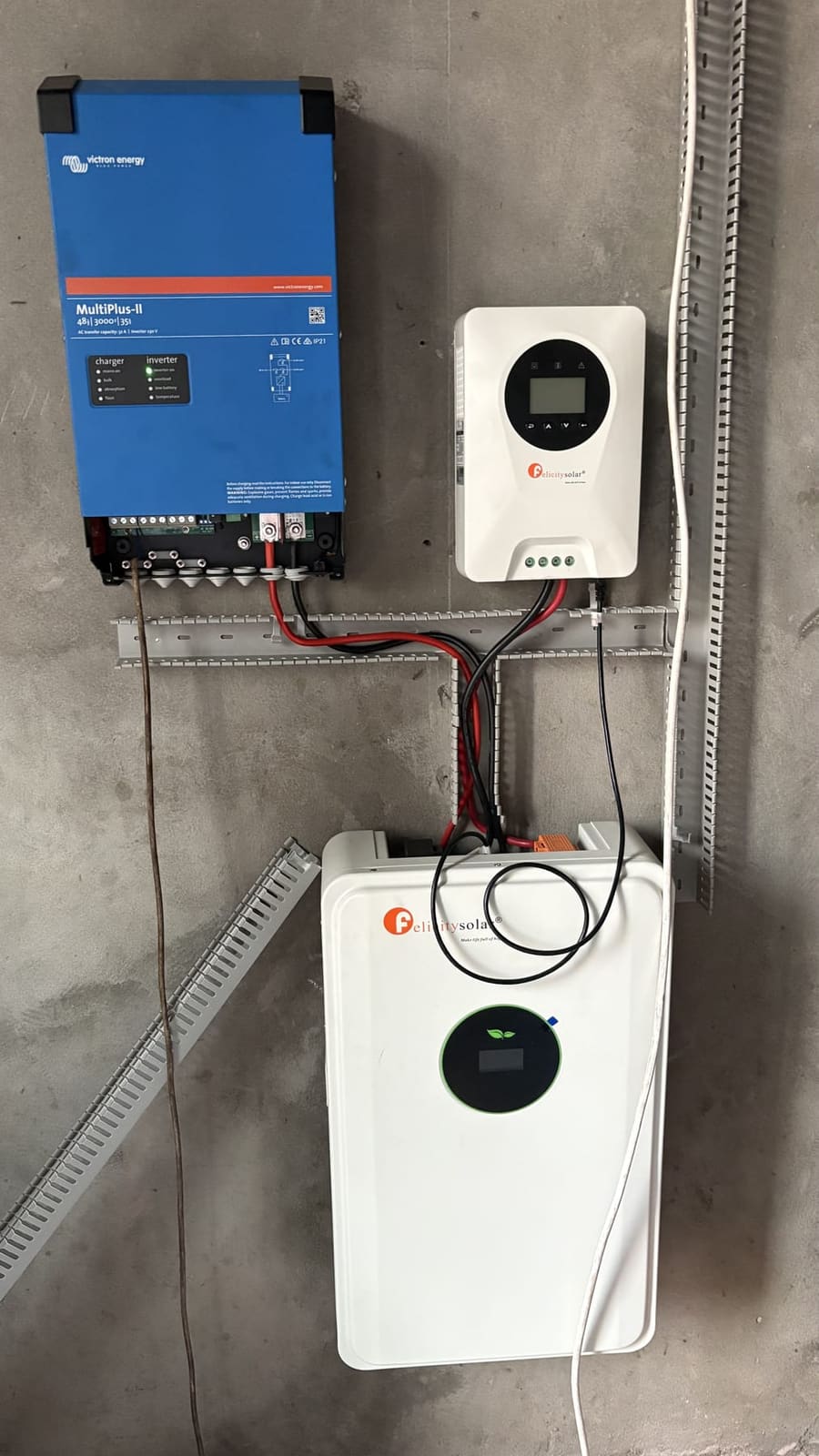
The installed inverter, charge controller and battery mounted on the wall inside the home

Light, for the first time

A full solar array went up across the roof, wired to an inverter and battery inside the house. The children have reliable light and power in the evenings, in a home that had neither.

Evenings are no longer decided by the sun.
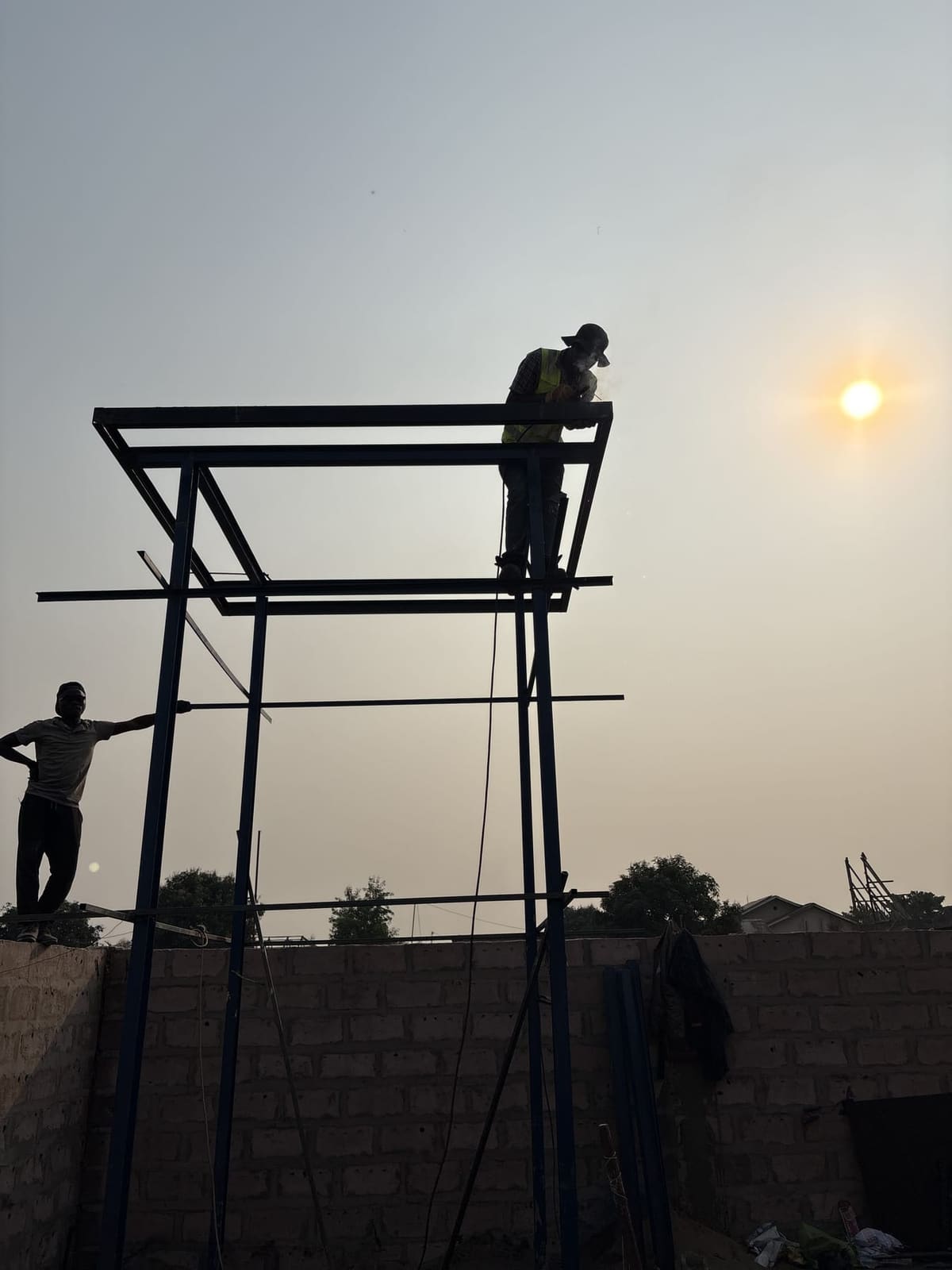
A welder silhouetted at the top of the water tower frame against the setting sun, with a second man steadying it from below
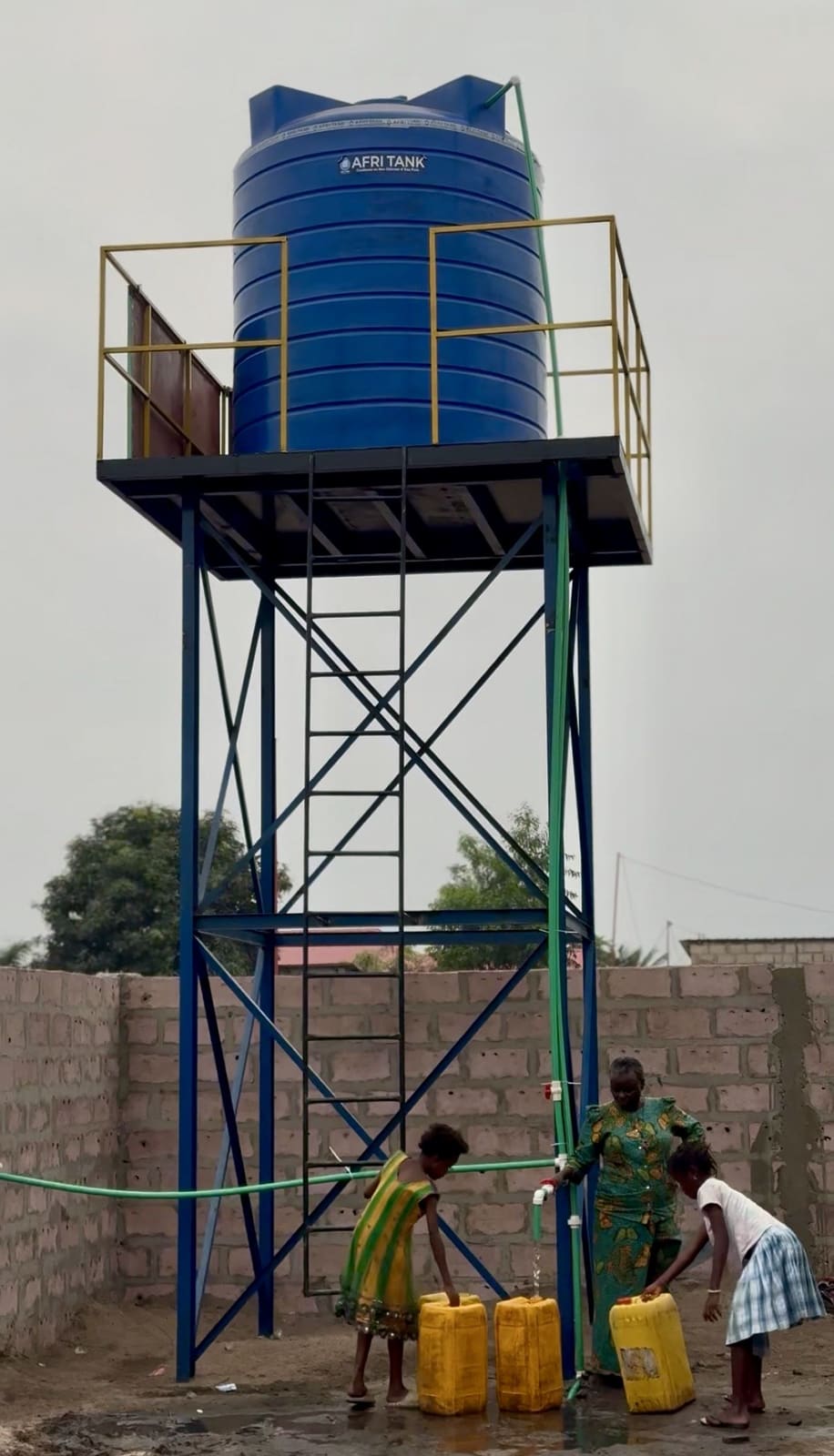
Sister Rosalie opens the tap at the foot of the new water tower while children fill yellow jerrycans

Water from their own ground

A borehole was drilled and a raised tank and tower built above it. Clean water now comes from the ground the home stands on, rather than from whatever can be carried in.

Sister Rosalie opens the tap herself. The children fill their own cans.

The tower is the tallest thing on the property. You can see it from the road.

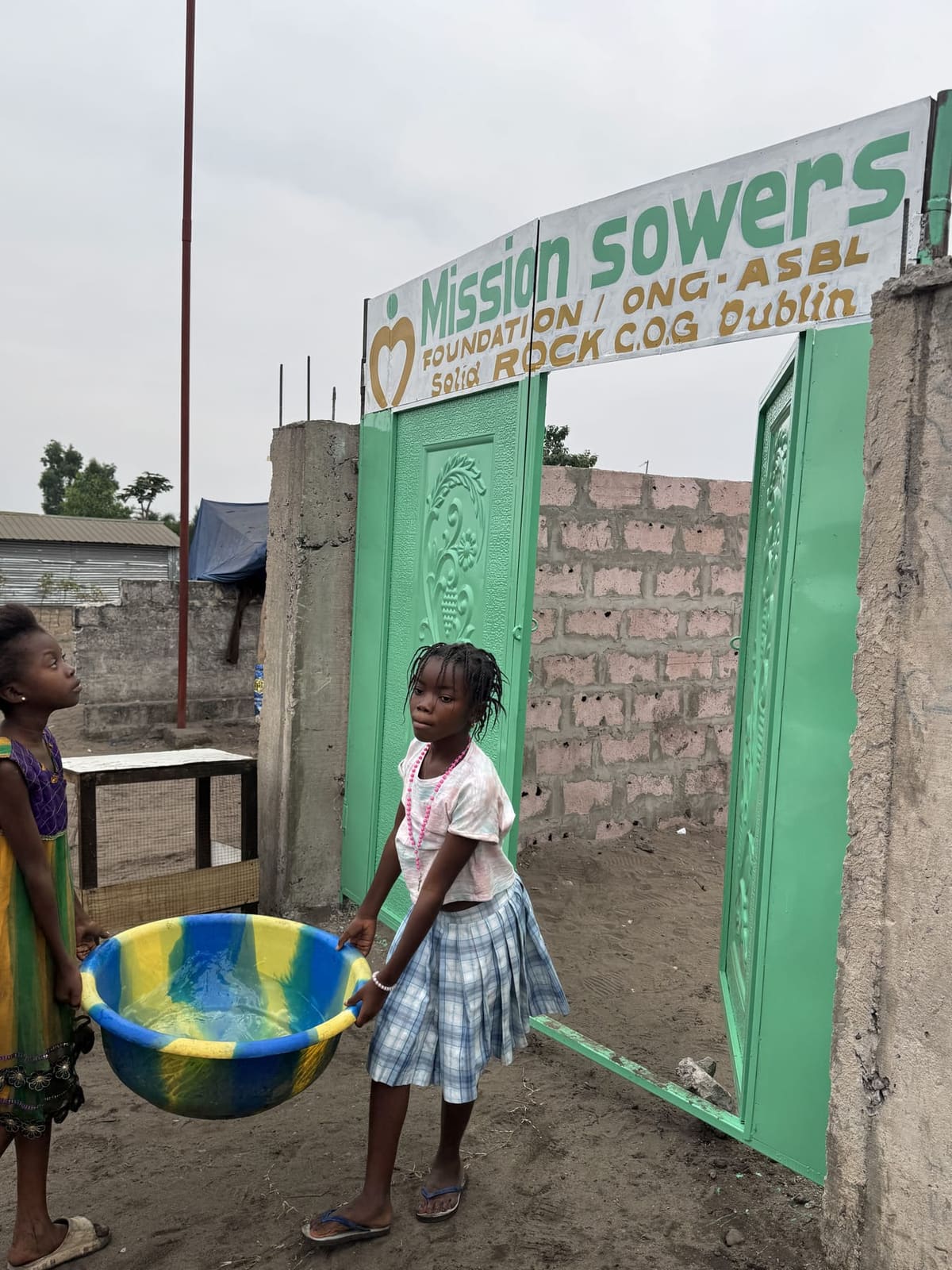
Two girls carry a large basin of water out through the new green Mission Sowers gate
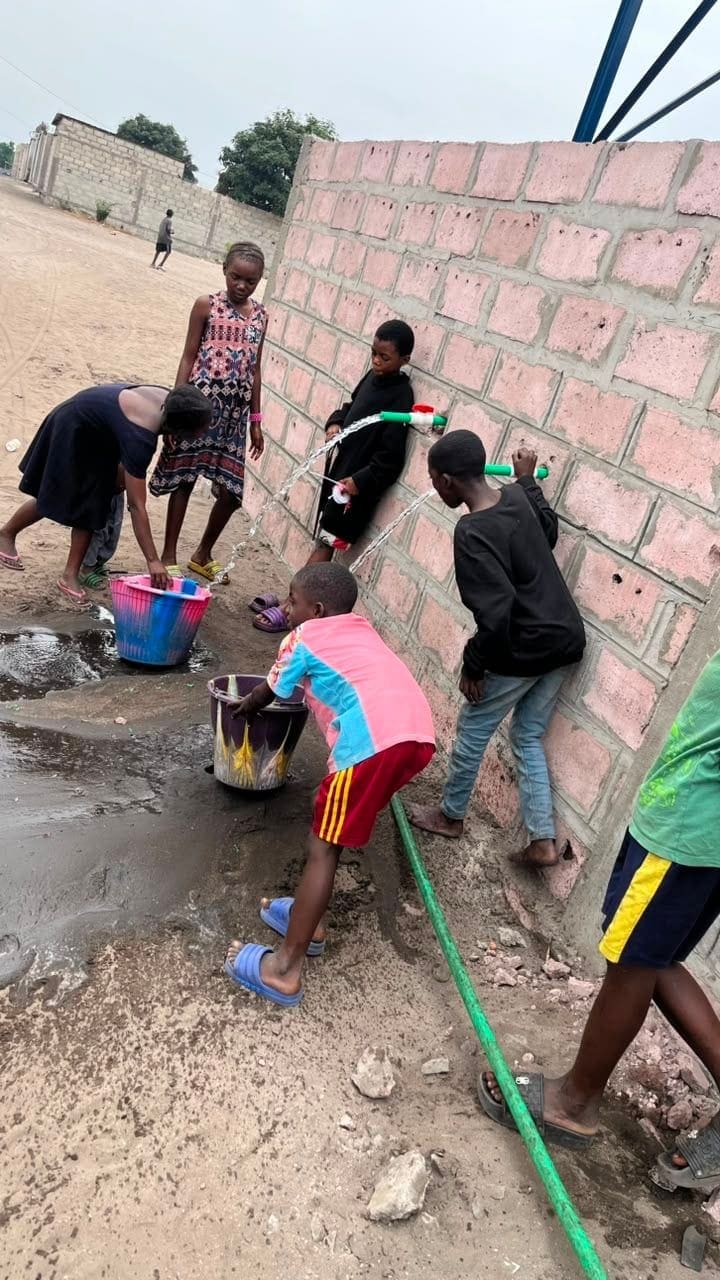
Children hold buckets under running taps set into the wall

Pumps, so the water earns

Pumps were installed so the home can sell clean water to the neighbourhood every day. This is the part that turns a gift into an income, and the reason the rest of it holds.

Water sold daily. Money that arrives without us.

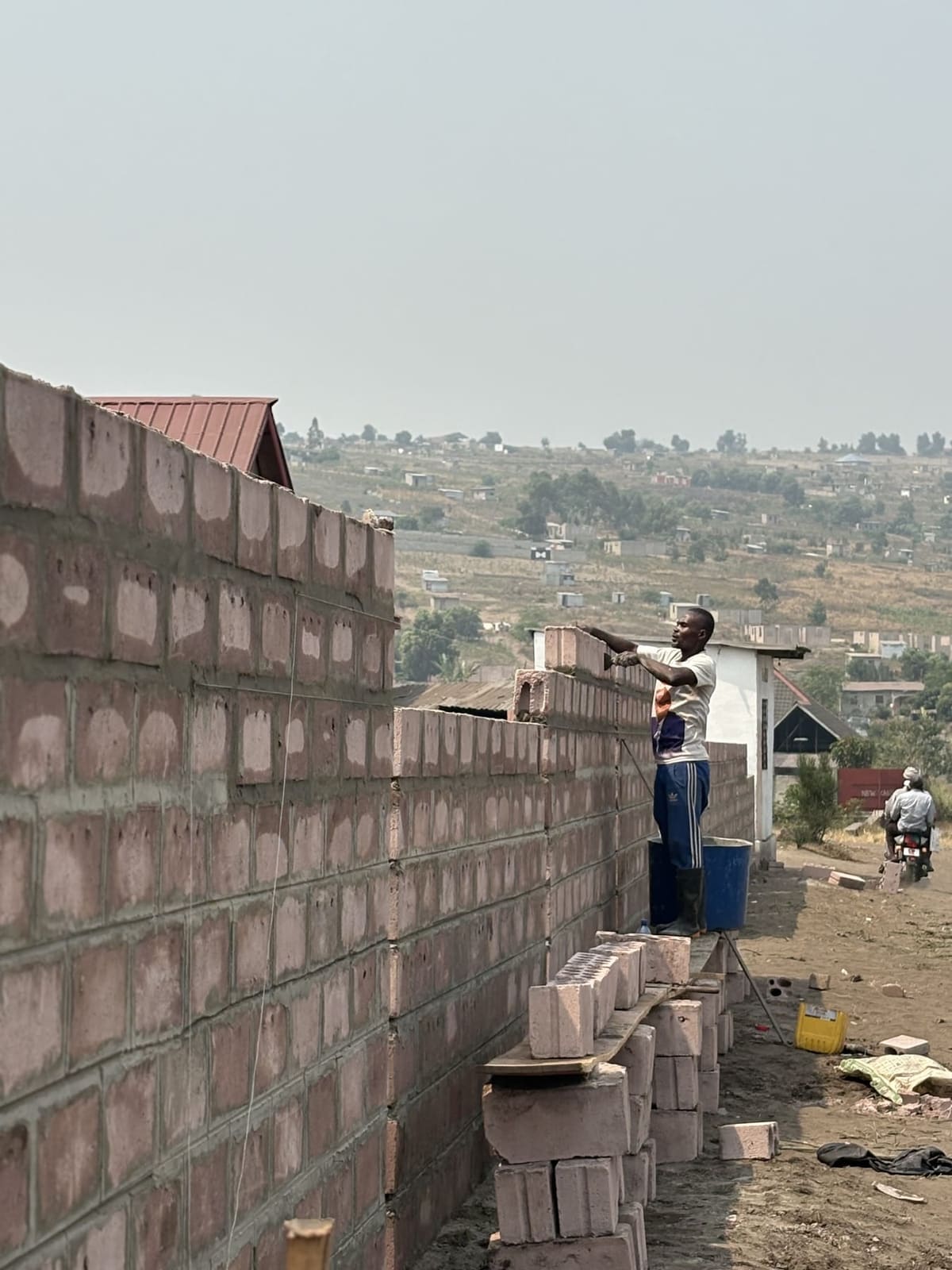
A mason laying block along the wall line with the Kinshasa valley opening out behind him
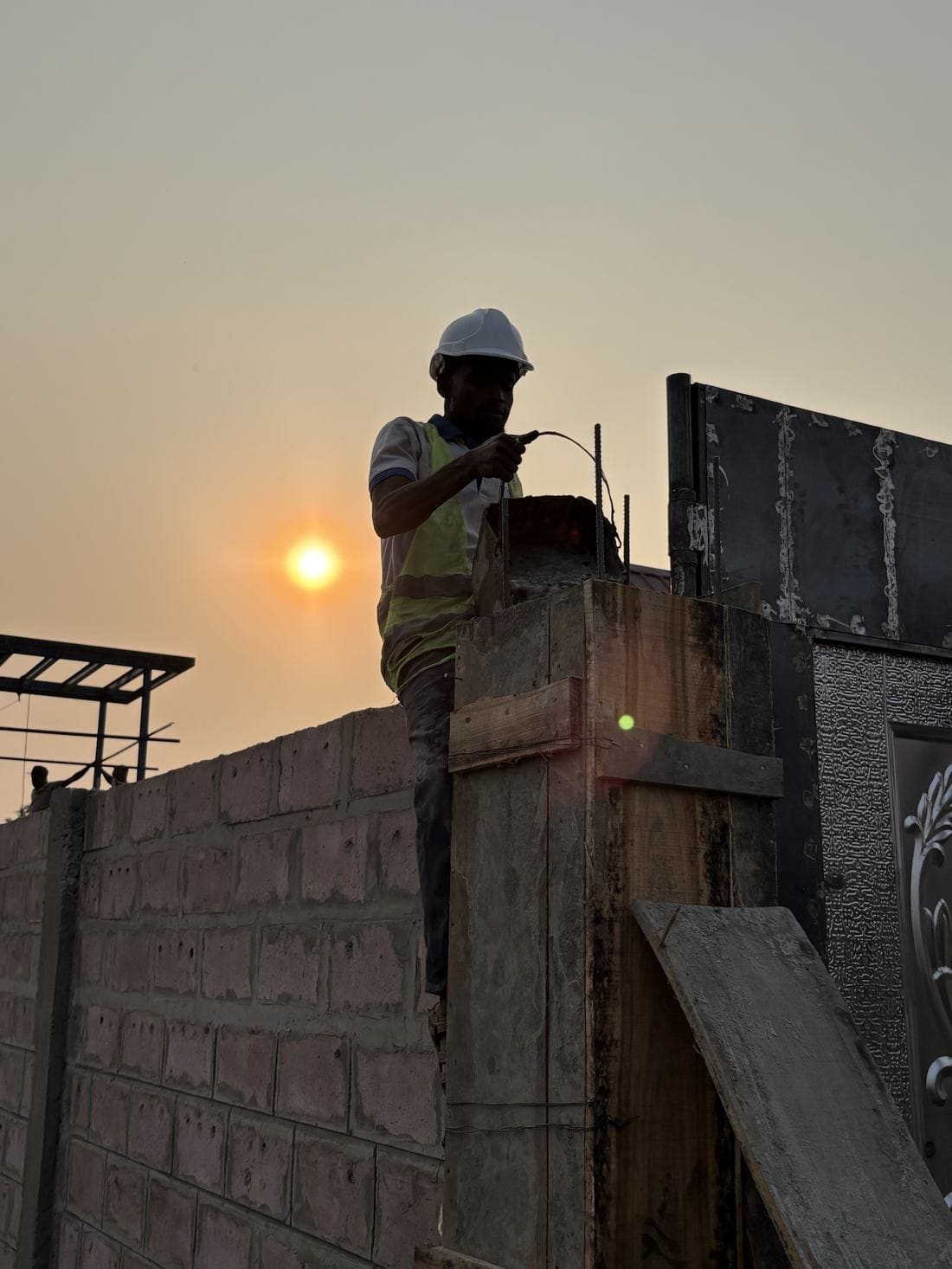
A welder in a hard hat works on top of the perimeter wall as the sun sets behind him
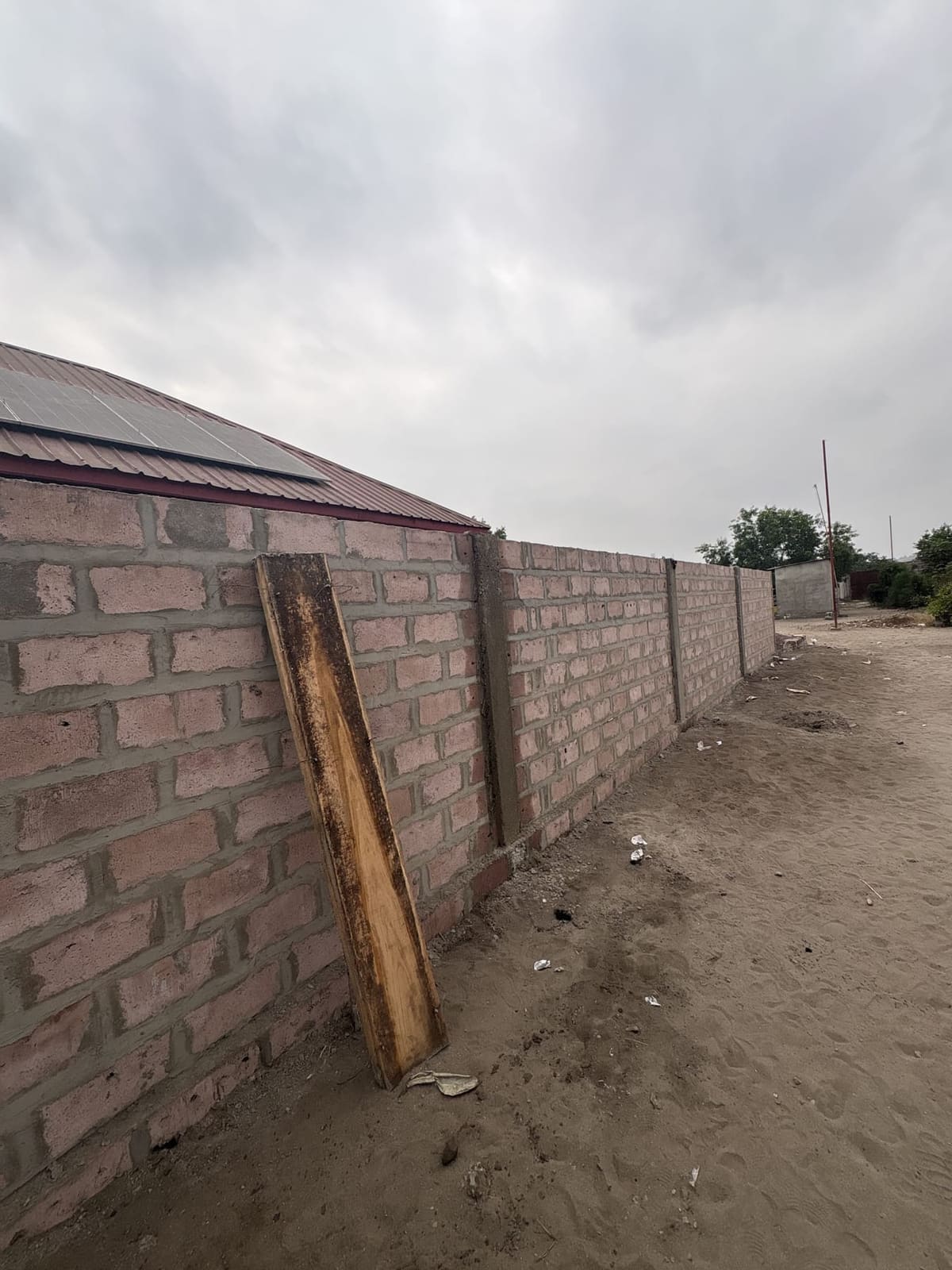
The finished brick perimeter wall running the length of the property

A 120 metre wall around the home

The whole property is now enclosed. Safety for the children first, and protection for everything else we installed.

120 metres, laid by masons from the neighbourhood.

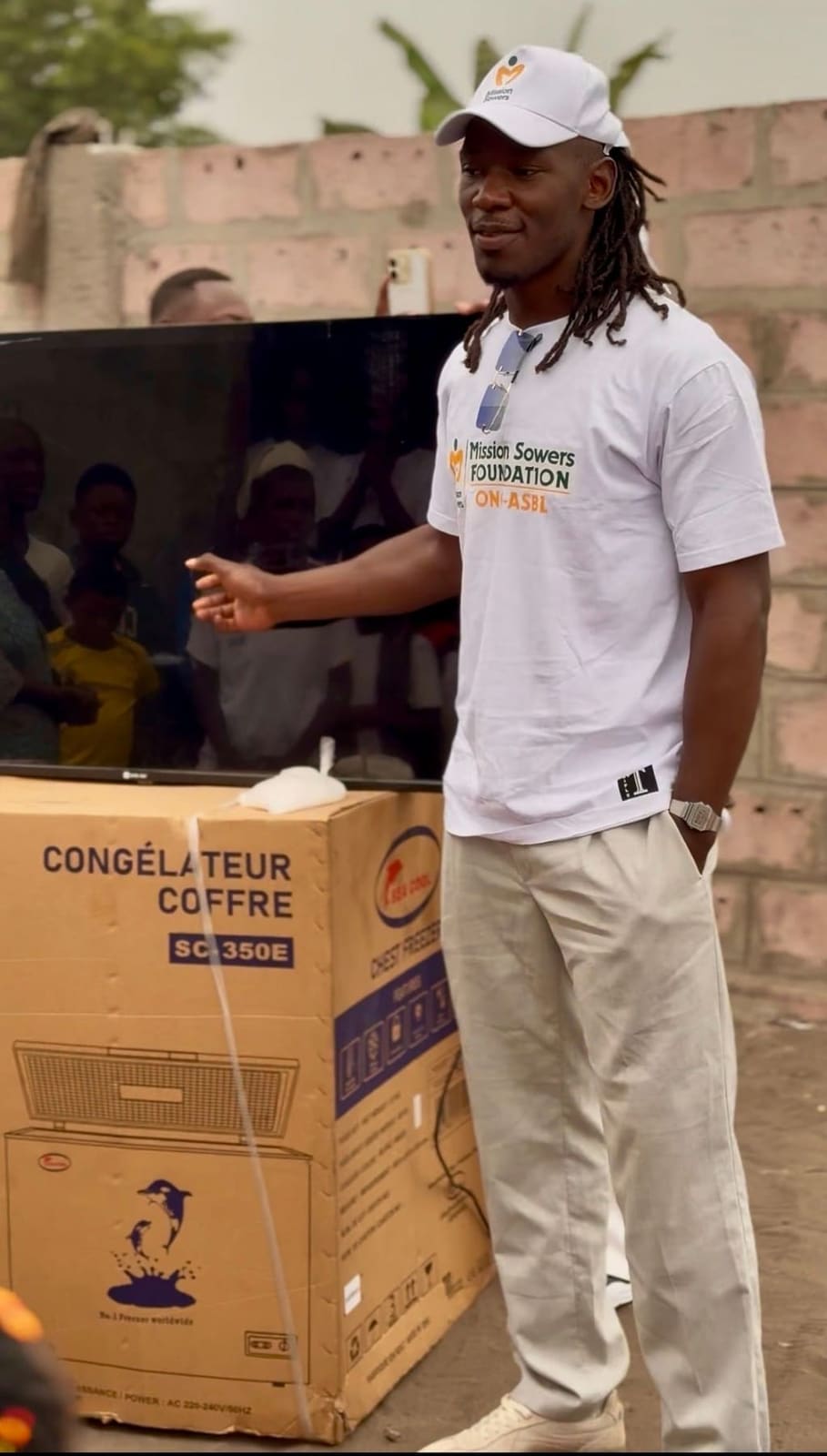
Divin stands beside a new chest freezer still in its box, with a television behind him
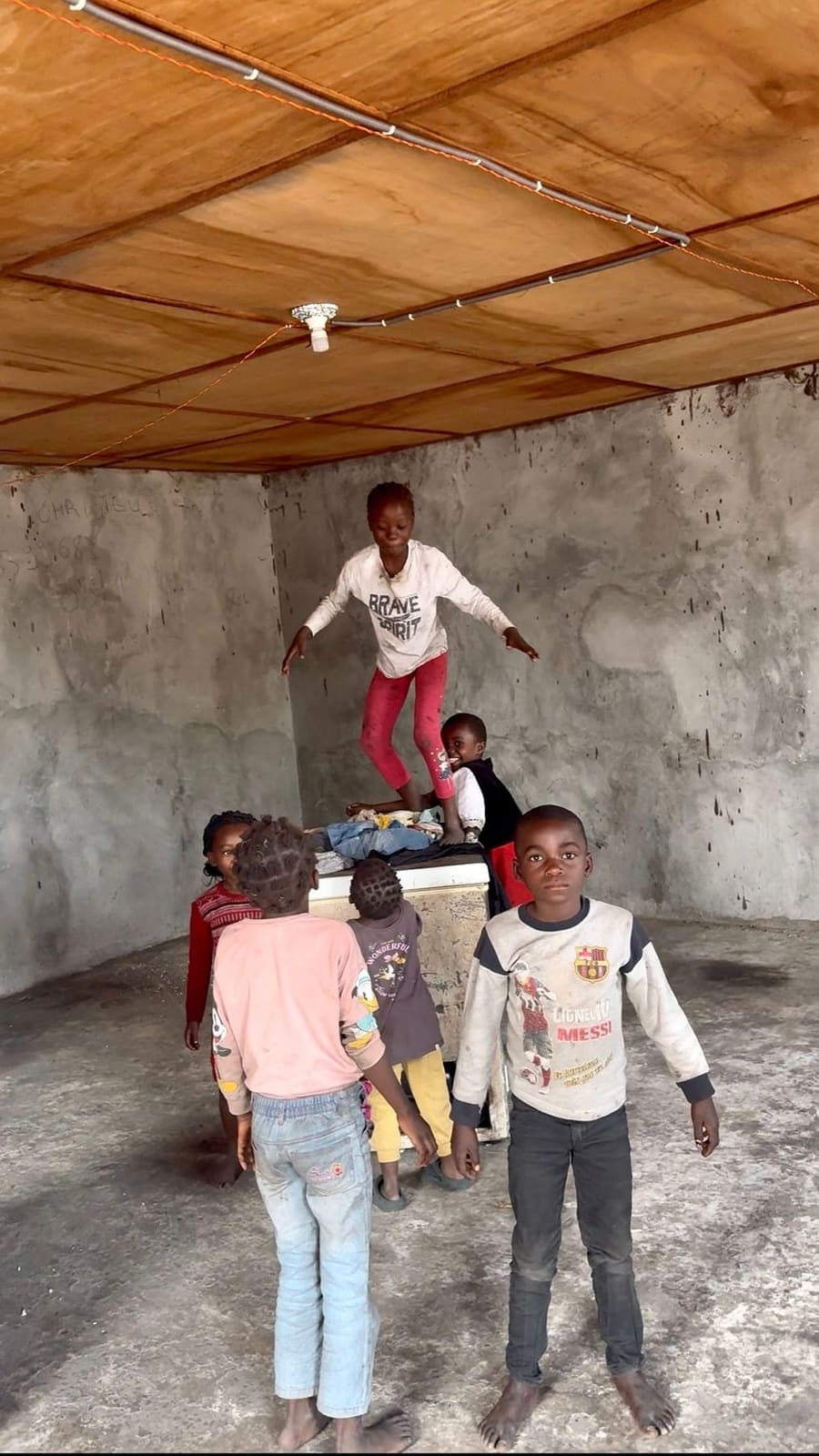
Children in a room lit by the new ceiling fitting

The freezer, saved for last

On the final day we surprised the home with a chest freezer and a television. The freezer means they can keep food, freeze water and sell frozen juice. The television is simply for the children.

A second income, and a room the children now crowd into.

After the handover

We do not just walk away.

Handing something over is not the same as abandoning it. The home runs its own water, its own power and its own income, and we stay in contact to make sure all of it keeps working and to plan what comes next with them.

  1. We check in

    Regular contact with Sister Rosalie and the caregivers on how the water sales, the power and the freezer are actually running day to day.

  2. We fix what breaks

    Equipment fails. When it does we work with the same local installers who built it, so repairs stay in the neighbourhood.

  3. We plan the next step

    Each home tells us what it needs next. At Ceprokin that is apprenticeships, so the young people leaving have a trade behind them.

The people who built it

Built by people who live there.

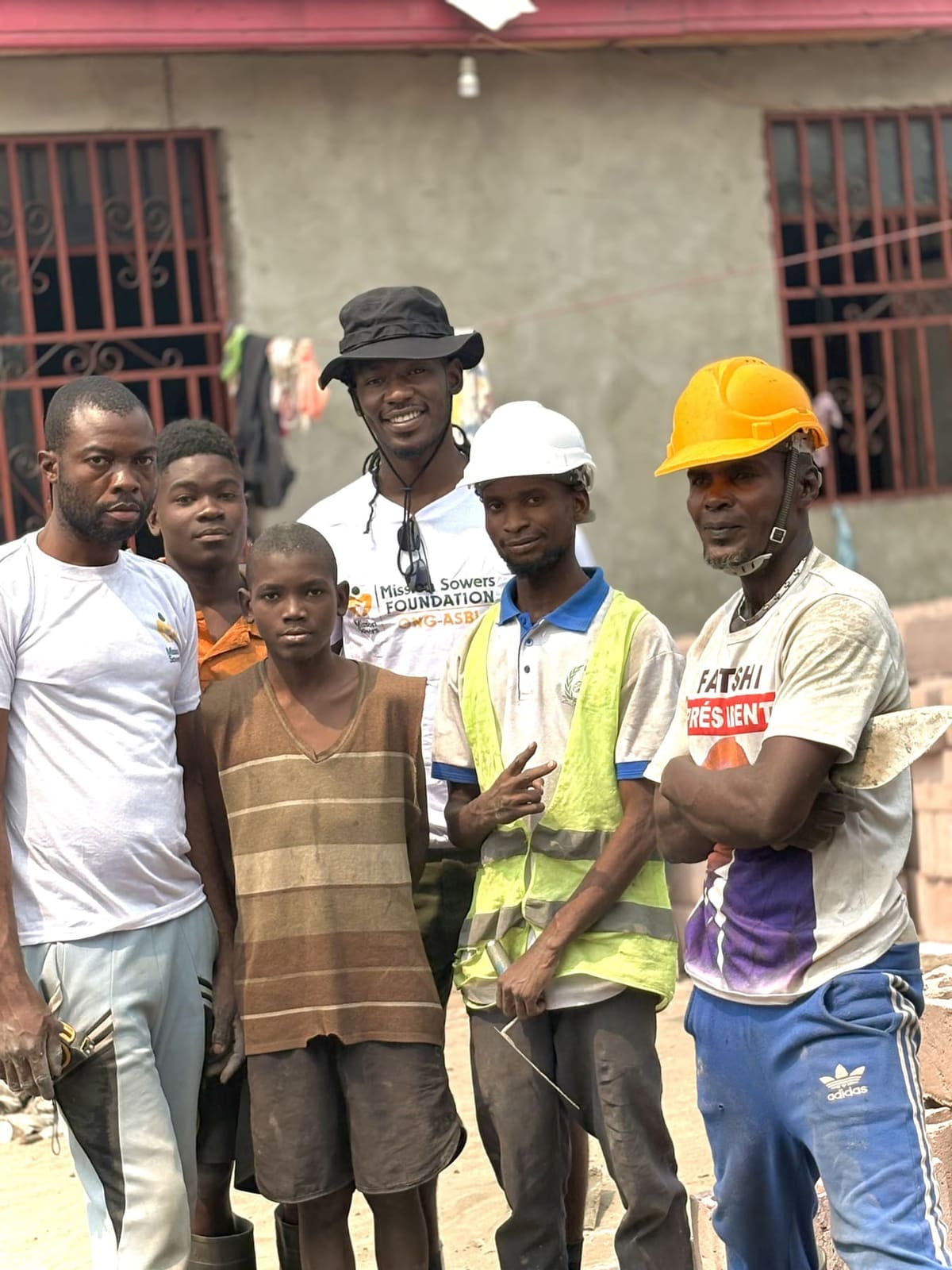
The masons, welders and installers on this site are from Kinshasa. Sister Rosalie runs the home and ran the days we were there. We funded the work and worked alongside them. That is the whole of our part in it.

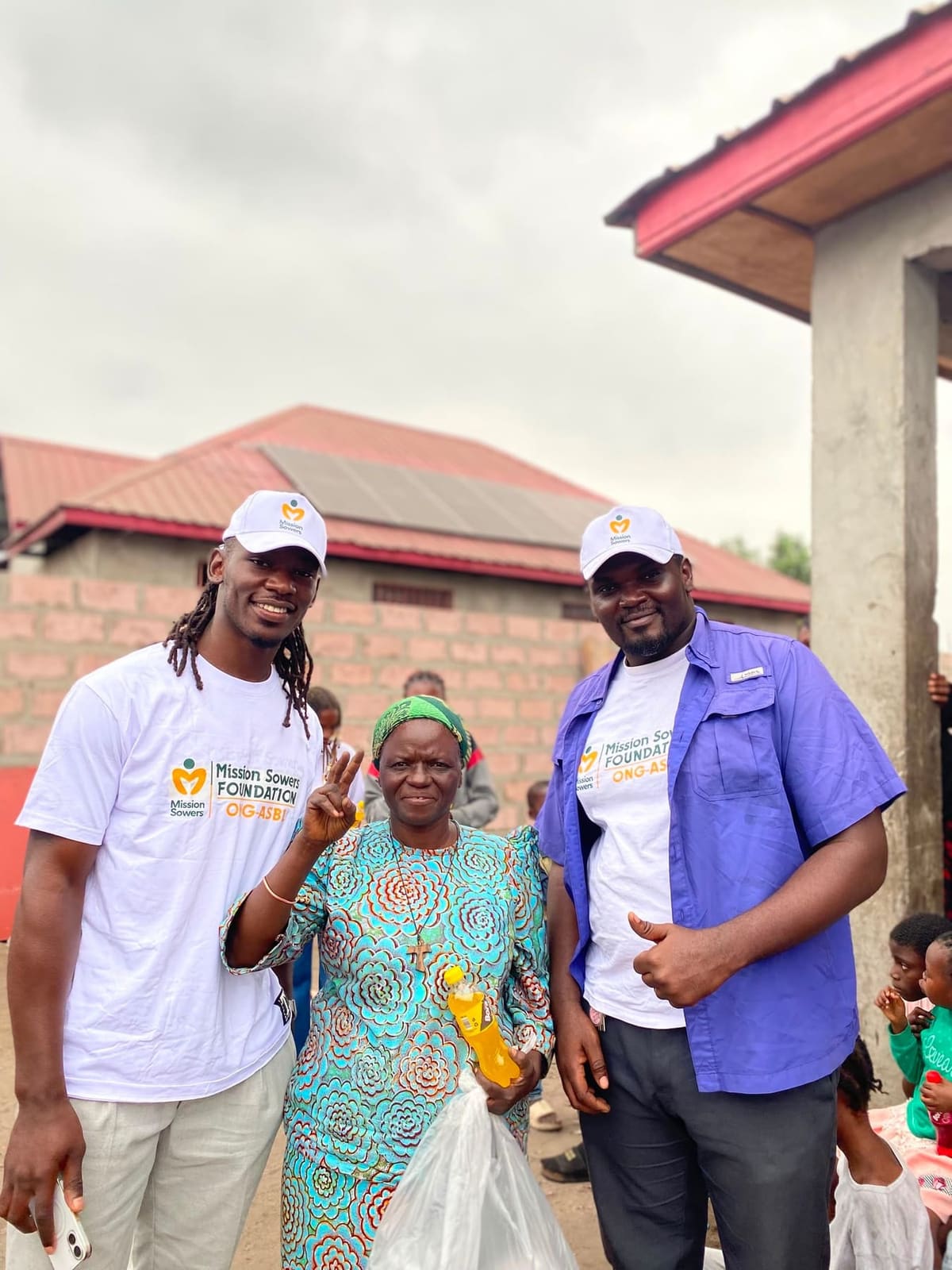
Divin, Sister Rosalie and Christian outside the home, with the new roof behind them
The build crew standing together outside the home, some in hard hats and hi-vis
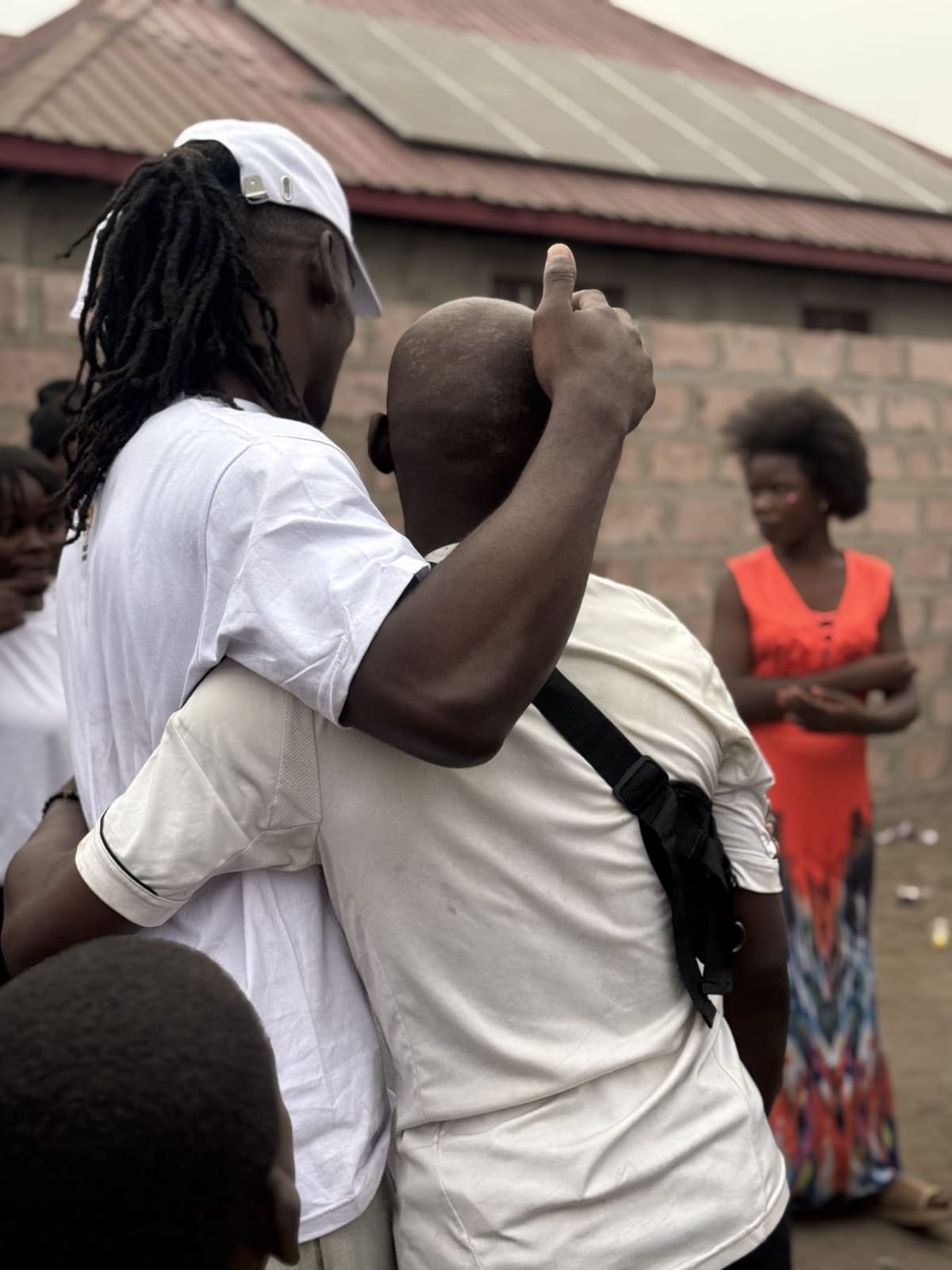
An embrace in front of the home, with the new solar panels visible on the roof behind
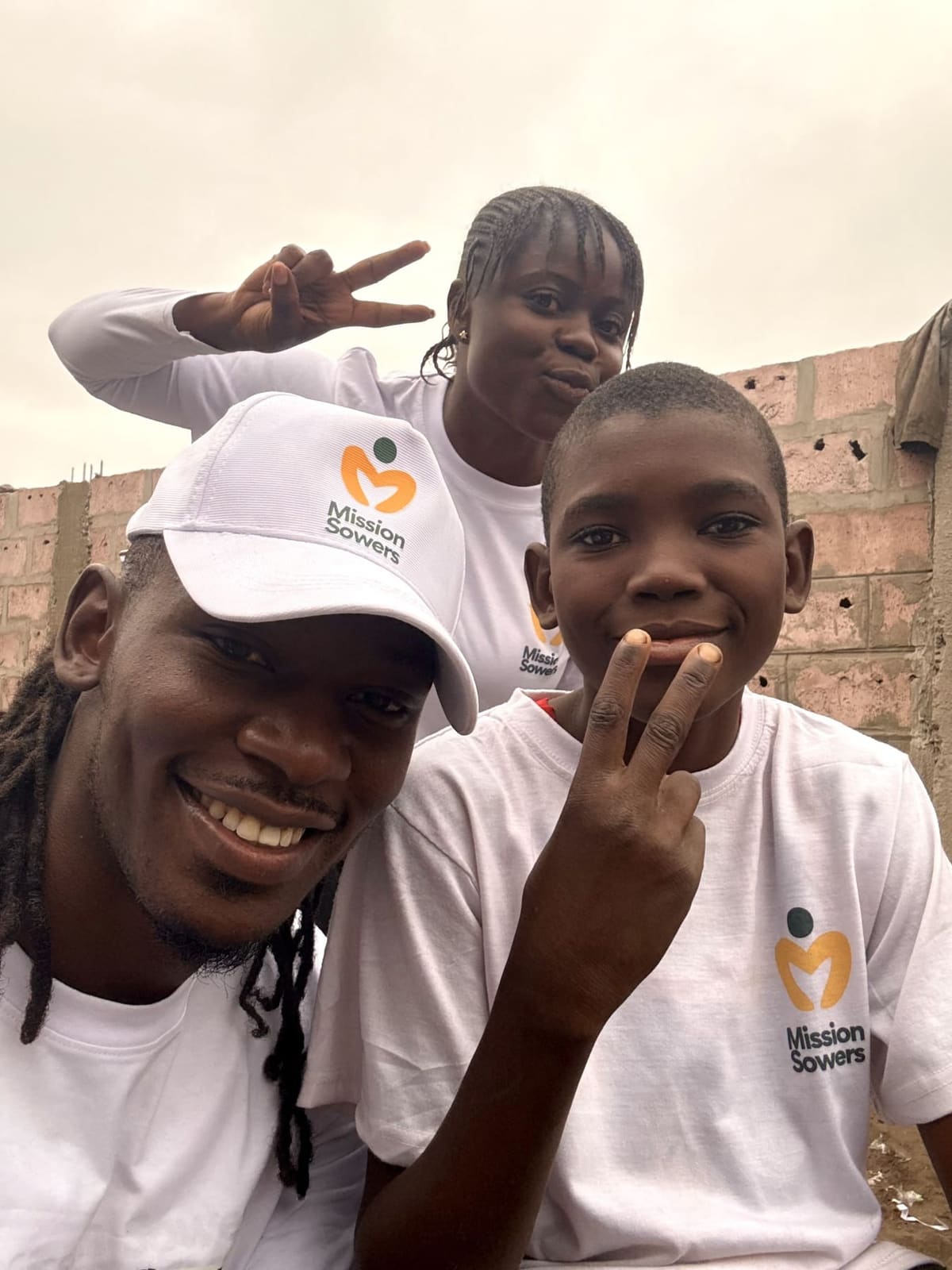
Divin with two children in Mission Sowers shirts, smiling and making peace signs
What comes next

Where we go from here.

Apprenticeship and skills acquisition programmes are now in development at Ceprokin, so the young people leaving this home leave with a trade. Partnerships in Nigeria and Togo are in progress, with wider expansion across the continent planned from 2027.

Every home we take on follows the same pattern. Build the power, the water and the income. Hand it over. Stay close.

Fund the next home

One home now carries itself. Help us reach the next one.

Giving to Mission Sowers does not buy a month of supplies. It buys a borehole, a roof of panels, a freezer that earns. Things that are still standing years after the donation is spent.

For corporate partnerships and fundraising, write to divin.sower@gmail.com